Articles
Palmistry traditions: East, West, and respectful comparison
How Western chiromancy and other hand-reading traditions differ in emphasis, and how to compare them without exoticism or claims of superiority.
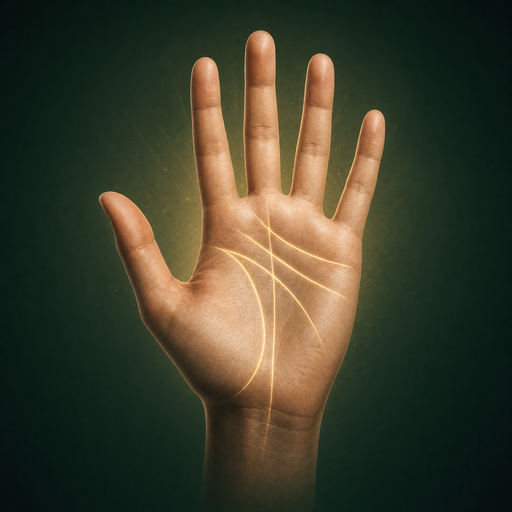
Palmistry is not one school. Western chiromancy, South Asian hast rekha practices, East Asian hand lore, and many folk systems share curiosity about the hand, but they do not share one rulebook. This page compares themes carefully.
What often overlaps
Most traditions notice major creases, finger proportions, and skin detail. Many use symbolic language about temperament. Observation comes before story in the better teachers of every lineage.
Where emphases diverge
Some systems weight planetary mounts and Greco-Roman names. Others emphasize elemental hand types, timing marks, or different line maps. Labels like East and West are rough. Living teachers vary inside every region.
How Kiromantik positions itself
This portal teaches a calm modern Western-leaning map for learning: lines, mounts, marks, and consent. It does not claim to represent hast rekha, Chinese palmistry, or any closed lineage. Soft CTAs stay secondary to education.
Read the history of chiromancy, what is chiromancy, and the ethics article next.
Continue exploring

Want a personal reading?
Kiromantik can turn a palm photo into a structured symbolic reading. Photos are deleted after analysis. Entertainment only.